

Hey there! As a supplier of Small Coil Wire, I often get asked about the insulation resistance of these small coil wires. So, I thought I'd take some time to break it down for you.
First off, let's talk about what insulation resistance actually is. In simple terms, insulation resistance is a measure of how well the insulation around a wire can prevent the flow of electric current through it. It's like a barrier that stops electricity from going where it's not supposed to go. For small coil wires, this is super important because they're often used in all sorts of electrical applications where you don't want any unwanted current leakage.
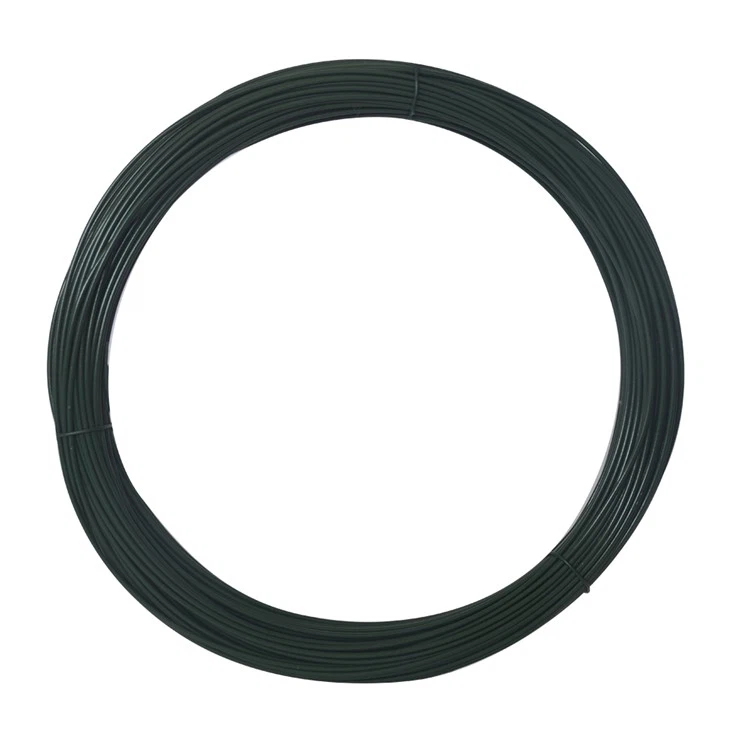
The insulation resistance of a small coil wire depends on a few key factors. One of the biggest factors is the type of insulation material used. There are different materials out there, each with its own properties. For example, some common insulation materials include PVC (polyvinyl chloride). PVC Coated Iron Wire is quite popular. PVC has good insulation properties, which means it can offer a relatively high insulation resistance. It's also flexible and durable, making it a great choice for small coil wires.
Another material is rubber. Rubber insulation can also provide good insulation resistance, especially in applications where there's a need for flexibility and resistance to heat and chemicals. But it might be a bit more expensive compared to PVC.
The thickness of the insulation also plays a huge role. Generally, the thicker the insulation, the higher the insulation resistance. This is because a thicker layer of insulation provides more of a barrier for the electric current. So, when we're manufacturing small coil wires, we have to carefully consider the right thickness of insulation based on the specific requirements of the application.
The environment in which the small coil wire is used is also a crucial factor. Temperature, humidity, and the presence of contaminants can all affect the insulation resistance. For instance, high temperatures can cause the insulation material to degrade over time, which in turn reduces the insulation resistance. Humidity can also be a problem because moisture can seep into the insulation and create paths for current leakage. And if there are contaminants like dust or chemicals in the environment, they can damage the insulation and lower its resistance.
Now, how do we measure the insulation resistance of a small coil wire? Well, there are special instruments called insulation resistance testers. These testers work by applying a known voltage to the wire and then measuring the resulting current. Using Ohm's law (R = V/I, where R is resistance, V is voltage, and I is current), we can calculate the insulation resistance.
When it comes to our Small Coil Wire products, we take insulation resistance very seriously. We use high - quality insulation materials and strict manufacturing processes to ensure that our wires have the best possible insulation resistance. We also test each batch of wires to make sure they meet the required standards.
If you're in the market for small coil wires, it's important to consider the insulation resistance based on your specific application. For example, if you're using the wire in a high - voltage application, you'll need a wire with a very high insulation resistance to prevent any electrical breakdown. On the other hand, if it's for a low - voltage application, you might be able to get away with a wire that has a slightly lower insulation resistance.
Another type of small coil wire we offer is Galvanized Iron Wire. Galvanization adds a layer of zinc to the iron wire, which not only provides corrosion resistance but can also have an impact on the insulation properties, especially when combined with proper insulation materials.
In addition to the factors I've mentioned above, the length of the small coil wire can also affect the insulation resistance. Longer wires generally have lower insulation resistance because there's more surface area for current leakage. So, when you're choosing a small coil wire, you need to take into account the length you'll need and how it might impact the insulation resistance.
We also understand that different industries have different requirements for insulation resistance. For example, the automotive industry might need small coil wires with very high insulation resistance to ensure the safety and reliability of electrical systems in vehicles. The electronics industry, on the other hand, might have different standards based on the specific components and circuits they're using.
If you're unsure about what level of insulation resistance you need for your project, don't hesitate to reach out to us. We have a team of experts who can help you choose the right small coil wire based on your needs. We can also provide you with detailed technical specifications and test reports to give you peace of mind.
As a supplier, we're always looking for ways to improve the insulation resistance of our small coil wires. We invest in research and development to find new and better insulation materials and manufacturing techniques. This allows us to offer our customers the highest quality products at competitive prices.
In conclusion, the insulation resistance of a small coil wire is a complex but important aspect to consider. It depends on factors like the insulation material, thickness, environment, length, and the specific application. At our company, we're committed to providing high - quality small coil wires with excellent insulation resistance.
If you're interested in purchasing small coil wires or have any questions about insulation resistance, feel free to get in touch with us. We're here to help you find the perfect solution for your electrical needs.
References

- Electrical Insulation Handbook, McGraw - Hill
- Insulation Resistance Testing Guide, Fluke Corporation


