

Barbed wire, a seemingly simple yet highly effective invention, has had a profound impact on various aspects of human history, including warfare. As a supplier of barbed wire, I have witnessed firsthand its diverse applications and the role it has played in military operations. In this blog, we will explore the use of barbed wire in war, its historical significance, and its modern - day applications.

Historical Use of Barbed Wire in War
The use of barbed wire in war can be traced back to the late 19th and early 20th centuries. Before its military application, barbed wire was primarily used in agriculture to contain livestock. However, its potential as a defensive weapon was quickly recognized during times of conflict.
One of the most notable instances of barbed wire use in war was during World War I. The Western Front was characterized by a series of trench warfare, where both sides dug elaborate networks of trenches to protect themselves from enemy fire. Barbed wire was used extensively to create formidable barriers in no - man's land, the area between opposing trenches. These barbed wire entanglements were often several meters deep and were designed to slow down or stop advancing troops. Soldiers attempting to cross these barriers were at great risk of getting caught on the sharp barbs, making them easy targets for enemy fire.
The installation of barbed wire was a labor - intensive process. Troops would spend hours laying out the wire, often under enemy fire. The wire was usually strung between wooden stakes or metal posts, creating a maze - like structure that was difficult to navigate. In some cases, the barbed wire was electrified to increase its lethality.
The use of barbed wire in World War I led to a significant change in military tactics. Infantry charges became much more difficult and costly, as soldiers had to first breach the barbed wire barriers before they could reach the enemy trenches. This led to the development of new technologies and strategies, such as the use of tanks to break through the wire and the employment of specialized wire - cutting teams.
Types of Barbed Wire Used in War
There are several types of barbed wire that have been used in war, each with its own unique characteristics. One common type is the traditional steel barbed wire. This type of wire is made from high - strength steel, which provides excellent durability and resistance to damage. The barbs are typically sharp and evenly spaced along the wire, ensuring maximum effectiveness in catching and holding objects.
Another type is the IOWA Barbed Wire. Iowa barbed wire is known for its specific design and construction. It often has a unique pattern of barbs that makes it particularly effective in creating a dense and difficult - to - penetrate barrier. This type of barbed wire was widely used in military fortifications during different wars.
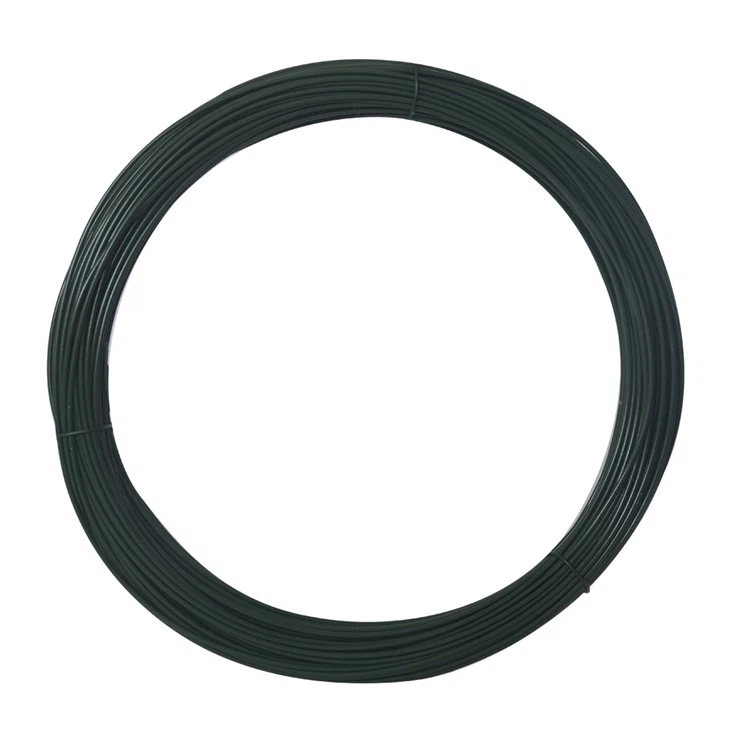
PVC Coated Barbed Wire and Plastic Coated Barbed Wire are also used in military applications. The coating provides additional protection against corrosion, which is especially important in harsh outdoor environments. These types of barbed wire are often used in areas where the wire is exposed to moisture or other corrosive elements.
Modern - Day Use of Barbed Wire in War
Although warfare has evolved significantly since World War I, barbed wire still plays a role in modern military operations. In contemporary conflicts, barbed wire is used for perimeter security around military bases and installations. It helps to deter unauthorized access and provides an additional layer of protection against potential threats.
Barbed wire is also used in peacekeeping operations. It can be used to create separation zones between conflicting parties, helping to maintain order and prevent violence. In some cases, barbed wire is used in conjunction with other security measures, such as surveillance cameras and fences, to create a comprehensive security system.
In addition, barbed wire is used in border security. Many countries use barbed wire fences along their borders to control the flow of people and goods. These fences act as a physical barrier, making it more difficult for unauthorized individuals to cross the border.
Ethical and Legal Considerations
The use of barbed wire in war also raises ethical and legal considerations. While barbed wire is a non - lethal weapon in most cases, it can cause serious injuries to those who come into contact with it. There have been concerns about the use of barbed wire in situations where it may cause unnecessary suffering to civilians or prisoners of war.
International laws and conventions, such as the Geneva Conventions, regulate the use of weapons in war. These laws aim to protect the rights of civilians and combatants and to ensure that the use of force is proportionate and humane. When using barbed wire in military operations, it is important to comply with these legal requirements.
Our Role as a Barbed Wire Supplier
As a barbed wire supplier, we understand the importance of providing high - quality products for military and security applications. We offer a wide range of barbed wire products, including different types and sizes to meet the specific needs of our customers. Our products are manufactured using the latest technologies and high - quality materials to ensure durability and effectiveness.
We work closely with military and security organizations to understand their requirements and provide customized solutions. Whether it is for creating a defensive barrier in a war zone or for enhancing the security of a military base, we have the expertise and resources to deliver the right product.
Contact Us for Your Barbed Wire Needs
If you are in need of barbed wire for military, security, or any other application, we are here to help. Our team of experts can provide you with detailed information about our products and assist you in making the right choice. We are committed to providing excellent customer service and ensuring that you are satisfied with your purchase. Contact us today to discuss your barbed wire requirements and start a procurement negotiation.
References
- Keegan, John. The First World War. Vintage Books, 1999.
- Van Creveld, Martin. Technology and War: From 2000 B.C. to the Present. Free Press, 1989.
- International Committee of the Red Cross. Geneva Conventions of 1949 and Their Additional Protocols. ICRC, 1949.


