

Transporting iron wire safely is crucial for both suppliers and customers. As an iron wire supplier, I understand the importance of ensuring that our products reach their destination in perfect condition. In this blog post, I will share some valuable insights on how to transport iron wire safely, covering aspects such as packaging, handling, and transportation methods.
Packaging
Proper packaging is the first step in ensuring the safe transportation of iron wire. The packaging should protect the wire from damage, corrosion, and environmental factors. Here are some key considerations for packaging iron wire:
- Use Appropriate Containers: Depending on the type and quantity of iron wire, choose suitable containers such as coils, spools, or bundles. Coils are commonly used for large quantities of wire, while spools are ideal for smaller amounts. Bundles can be used for irregularly shaped or cut wire.
- Protect Against Corrosion: Iron wire is susceptible to corrosion, especially when exposed to moisture. To prevent rusting, wrap the wire in moisture-resistant materials such as plastic or paper. You can also apply a protective coating to the wire before packaging.
- Secure the Packaging: Ensure that the packaging is tightly sealed and secured to prevent the wire from shifting or unraveling during transportation. Use straps, bands, or shrink wrap to hold the containers together.
Handling
Proper handling of iron wire is essential to prevent damage and ensure the safety of workers. Here are some guidelines for handling iron wire:
- Use Appropriate Equipment: When loading and unloading iron wire, use equipment such as forklifts, cranes, or pallet jacks. Make sure the equipment is in good working condition and operated by trained personnel.
- Avoid Sharp Edges: Iron wire can have sharp edges that can cause cuts and injuries. Wear protective gloves and clothing when handling the wire. Use tools such as wire cutters or pliers to handle the wire safely.
- Stack the Wire Properly: When stacking iron wire, make sure the stacks are stable and secure. Avoid overloading the stacks, as this can cause them to collapse. Use pallets or racks to support the wire and prevent it from coming into contact with the ground.
Transportation Methods
The choice of transportation method depends on various factors such as the quantity of wire, the distance to be traveled, and the destination. Here are some common transportation methods for iron wire:
- Trucking: Trucking is a popular method for transporting iron wire, especially for short to medium distances. Trucks offer flexibility and can deliver the wire directly to the customer's location. Make sure the truck is equipped with proper securing devices to prevent the wire from shifting during transit.
- Railway: Railway transportation is suitable for large quantities of iron wire and long distances. Railways are more cost-effective and environmentally friendly compared to trucking. However, the delivery time may be longer, and there may be additional handling requirements at the railway terminals.
- Shipping: If you are exporting iron wire, shipping is the most common method. Ships can carry large volumes of wire and are suitable for long-distance transportation. Make sure the wire is properly packaged and secured in shipping containers to prevent damage during the voyage.
Safety Precautions
In addition to proper packaging, handling, and transportation methods, it is important to take some safety precautions to ensure the safe transportation of iron wire. Here are some safety tips:
- Follow Safety Regulations: Comply with all relevant safety regulations and standards when transporting iron wire. This includes using proper safety equipment, following traffic rules, and ensuring the safety of workers.
- Inspect the Wire Regularly: Before and during transportation, inspect the iron wire for any signs of damage or corrosion. If any issues are found, take appropriate measures to address them immediately.
- Provide Training to Workers: Train your workers on the proper handling and transportation of iron wire. Make sure they are aware of the safety risks and know how to use the equipment safely.
Types of Iron Wire
As an iron wire supplier, we offer a wide range of iron wire products to meet the diverse needs of our customers. Here are some of the popular types of iron wire we supply:

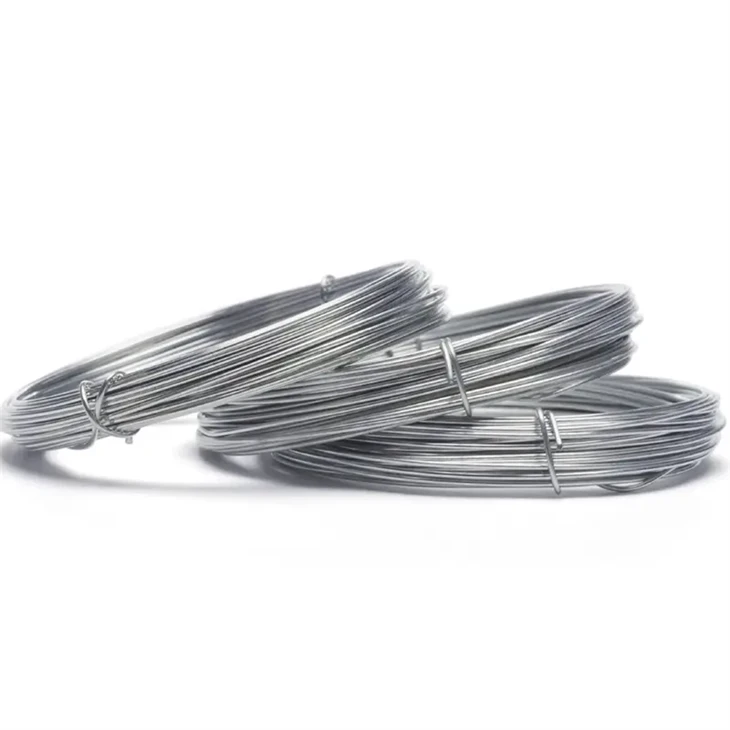
- Hot Dipped Galvanized Iron Wire: This type of wire is coated with a layer of zinc through a hot-dipping process, which provides excellent corrosion resistance. It is commonly used in construction, agriculture, and fencing applications.
- Black Annealed Wire: Black annealed wire is soft and flexible, making it easy to bend and shape. It is often used for binding, tying, and general-purpose applications.
- Double Loop Bar Ties: Double loop bar ties are used for securing reinforcing bars in concrete structures. They are made of high-quality iron wire and have a double-loop design for easy installation.
Conclusion
Transporting iron wire safely requires careful planning, proper packaging, handling, and transportation methods. By following the guidelines and safety precautions outlined in this blog post, you can ensure that your iron wire products reach their destination in perfect condition. As an iron wire supplier, we are committed to providing high-quality products and ensuring the safe transportation of our goods. If you have any questions or need more information about our iron wire products or transportation services, please feel free to contact us. We look forward to working with you and meeting your iron wire needs.
References
- American Society of Mechanical Engineers (ASME). (2019). ASME B30.10 - Slings.
- Occupational Safety and Health Administration (OSHA). (2019). 29 CFR 1910.178 - Powered industrial trucks.
- International Maritime Organization (IMO). (2018). International Maritime Dangerous Goods (IMDG) Code.


