

Can iron wire be used for making springs? This is a question that often arises in various industries and DIY projects. As an iron wire supplier, I am well - versed in the properties of different types of iron wires and their suitability for spring production. In this blog, I will delve into the details of whether iron wire can be used for making springs, the types of iron wire that are appropriate, and the factors to consider.
First and foremost, it is indeed possible to use iron wire for making springs. Iron wire has certain physical properties that make it a candidate for spring manufacturing. Springs are designed to store and release energy when deformed. They need to have a high degree of elasticity, which means they can return to their original shape after being stretched or compressed. Iron wire, depending on its composition and treatment, can possess the necessary elasticity for spring applications.
One of the key factors that determine the suitability of iron wire for spring making is its carbon content. Iron wires with a higher carbon content generally have greater strength and hardness. High - carbon iron wires can withstand larger forces without permanent deformation, making them ideal for heavy - duty springs. On the other hand, low - carbon iron wires are more ductile and easier to form, which can be beneficial for making springs with complex shapes.
Let's take a look at some specific types of iron wire that we supply and their potential for spring production.
Black Annealed Wire
Black annealed wire is a popular choice for many applications, including spring making. The annealing process involves heating the wire and then slowly cooling it, which softens the wire and makes it more ductile. This wire is relatively easy to bend and shape, which is advantageous when creating springs. Its flexibility allows for the production of springs with various diameters and coil shapes. You can find more information about our Black Annealed Wire on our website.
The softness of black annealed wire also means that it can be used for light - duty springs where the force exerted is not extremely high. For example, in some household items such as small toys or simple mechanical devices, black annealed wire springs can provide the necessary functionality. However, it may not be the best option for high - stress applications where the spring needs to withstand large and repeated forces over a long period.
PVC Coated Iron Wire
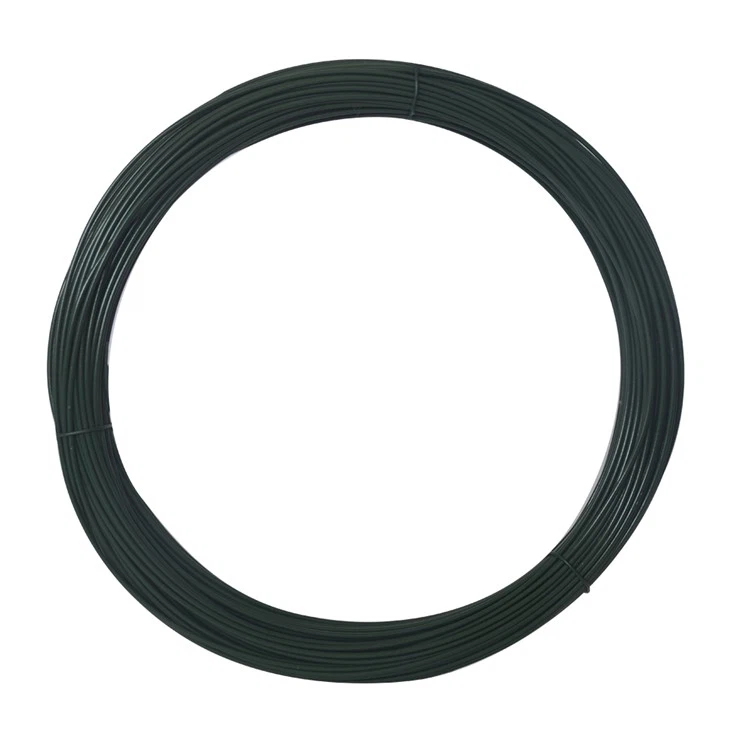
PVC Coated Iron Wire offers an additional layer of protection compared to bare iron wire. The PVC coating not only provides corrosion resistance but can also add some insulation properties. When it comes to spring making, PVC coated iron wire can be used in applications where the spring needs to be protected from the environment.
For instance, in outdoor equipment or in applications where the spring is exposed to moisture or chemicals, the PVC coating can prevent rust and extend the lifespan of the spring. However, the coating may slightly affect the elasticity of the wire. Care must be taken during the spring - making process to ensure that the coating does not crack or peel off, as this could compromise the protection it provides.
Hot Dipped Galvanized Iron Wire
Hot Dipped Galvanized Iron Wire is another excellent option for spring production, especially in harsh environments. The galvanizing process involves coating the iron wire with a layer of zinc, which provides superior corrosion resistance. This makes it suitable for springs used in marine applications, construction equipment, and other outdoor settings where rust is a major concern.
The zinc coating also adds a certain degree of hardness to the wire, which can enhance the spring's ability to withstand wear and tear. However, similar to PVC coated wire, the coating can have a minor impact on the wire's flexibility. When using hot - dipped galvanized iron wire for springs, it is important to consider the design and the amount of deformation the spring will undergo.
In addition to the type of iron wire, there are other factors to consider when using iron wire for spring making.
Wire Diameter
The diameter of the iron wire plays a crucial role in determining the strength and stiffness of the spring. A thicker wire will generally result in a stronger and stiffer spring, while a thinner wire will create a more flexible spring. When selecting the wire diameter, you need to consider the load that the spring will bear and the amount of deflection required.
Coil Pitch and Coil Diameter
The pitch of the coil (the distance between adjacent coils) and the coil diameter also affect the spring's performance. A smaller coil pitch will make the spring stiffer, while a larger pitch will make it more flexible. Similarly, a larger coil diameter will result in a softer spring, and a smaller coil diameter will create a stiffer one. These parameters need to be carefully calculated based on the specific requirements of the application.
Heat Treatment
After the spring is formed, heat treatment can be used to further enhance its properties. Quenching and tempering are common heat - treatment processes that can increase the strength and hardness of the spring. However, heat treatment must be done correctly to avoid over - hardening the wire, which could make the spring brittle and prone to breakage.
In conclusion, iron wire can definitely be used for making springs, and the choice of wire depends on the specific requirements of the application. Whether you need a light - duty spring for a small device or a heavy - duty spring for industrial equipment, there is an iron wire option available. Our company offers a wide range of iron wires, including Black Annealed Wire, PVC Coated Iron Wire, and Hot Dipped Galvanized Iron Wire, to meet your spring - making needs.
If you are interested in purchasing iron wire for spring production or have any questions about our products, please feel free to contact us. We are always ready to assist you in finding the right wire for your project and providing professional advice on spring design and manufacturing.

References
- "Materials Science and Engineering: An Introduction" by William D. Callister Jr. and David G. Rethwisch
- "Mechanical Springs Handbook" by Design News


