

Barbed wire is a widely used fencing material known for its effectiveness in securing perimeters, deterring intruders, and controlling livestock. As a barbed wire supplier, I often receive inquiries about the minimum safe distance to keep from barbed wire. In this blog post, I will delve into this topic, providing scientific insights and practical recommendations to ensure safety when dealing with barbed wire.
Understanding the Risks of Barbed Wire
Before discussing the minimum safe distance, it's crucial to understand the potential risks associated with barbed wire. The sharp barbs can cause serious injuries, including cuts, punctures, and lacerations. These injuries can lead to infections, especially if not properly treated. In addition, barbed wire can pose a risk of entanglement, which can be particularly dangerous for animals and children.
Factors Affecting the Minimum Safe Distance
The minimum safe distance from barbed wire depends on several factors, including the type of barbed wire, its installation height, and the environment in which it is installed.
Type of Barbed Wire
There are different types of barbed wire available in the market, each with its own characteristics. PVC Coated Barbed Wire is coated with a layer of PVC, which provides additional protection against corrosion and reduces the risk of injury compared to traditional barbed wire. Plastic Coated Barbed Wire is similar to PVC coated barbed wire but may have different properties depending on the type of plastic used. Galvanized Barbed Wire is coated with zinc to prevent rusting, making it a durable option for outdoor use.
The type of barbed wire can affect the minimum safe distance. For example, PVC or plastic coated barbed wire may require a slightly shorter safe distance compared to galvanized barbed wire due to the reduced risk of injury from the coating.
Installation Height
The height at which the barbed wire is installed also plays a role in determining the minimum safe distance. Higher installations may require a greater safe distance to prevent accidental contact. For example, if the barbed wire is installed at a height where it can easily come into contact with a person's head or upper body, a larger safe distance should be maintained.
Environment
The environment in which the barbed wire is installed is another important factor. In areas with high traffic, such as near a public path or a playground, a larger safe distance should be maintained to prevent accidental contact. In contrast, in a remote agricultural area where there is less human activity, a slightly shorter safe distance may be acceptable.
Recommended Minimum Safe Distances
Based on industry standards and safety guidelines, the following are some recommended minimum safe distances from barbed wire:
For General Public Areas
In areas where the general public may have access, such as parks, schools, or residential areas, a minimum safe distance of at least 1 meter (3.3 feet) should be maintained from the barbed wire. This distance helps to prevent accidental contact and reduces the risk of injury.
For Agricultural Areas
In agricultural areas where livestock is present, a minimum safe distance of 0.5 meters (1.6 feet) can be maintained. However, it's important to ensure that the barbed wire is installed at a height that prevents animals from easily reaching it.
For Industrial or High - Security Areas
In industrial or high - security areas, a minimum safe distance of 1.5 meters (4.9 feet) or more may be required. These areas often have restricted access, and the increased safe distance helps to prevent unauthorized entry and reduces the risk of injury to workers.
Safety Precautions
In addition to maintaining the recommended minimum safe distances, the following safety precautions should be taken when dealing with barbed wire:
- Warning Signs: Install clear warning signs near the barbed wire to alert people of the potential danger.
- Proper Installation: Ensure that the barbed wire is installed correctly, with no loose ends or protruding barbs.
- Regular Inspections: Conduct regular inspections of the barbed wire to check for any damage or signs of wear and tear.
- Protective Gear: When working near barbed wire, wear appropriate protective gear, such as gloves and long - sleeved clothing.
Conclusion
As a barbed wire supplier, I understand the importance of safety when it comes to using barbed wire. By understanding the factors that affect the minimum safe distance and following the recommended guidelines, we can ensure that barbed wire is used safely and effectively. Whether you are using barbed wire for agricultural, industrial, or security purposes, always prioritize safety.

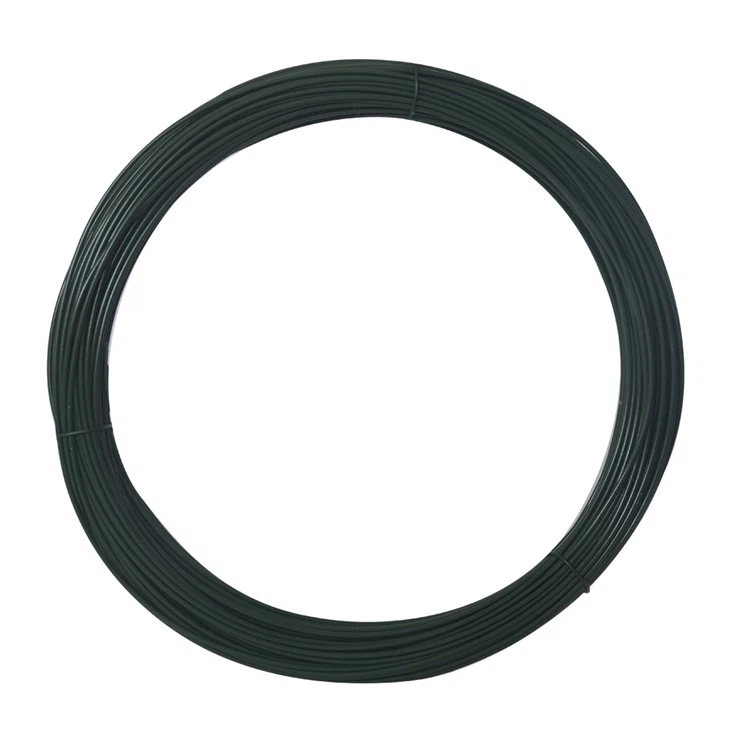
If you are interested in purchasing barbed wire for your project, we offer a wide range of high - quality barbed wire products, including PVC Coated Barbed Wire, Plastic Coated Barbed Wire, and Galvanized Barbed Wire. Contact us to discuss your specific requirements and get a quote.
References
- National Fire Protection Association (NFPA). "Safety Standards for Fencing Materials."
- Occupational Safety and Health Administration (OSHA). "Guidelines for Safe Use of Barbed Wire in Industrial Settings."
- Agricultural Safety and Health Council of America (ASHCA). "Safety Recommendations for Barbed Wire in Agricultural Areas."


