

Hey there! I'm a gabion supplier, and I've been getting a lot of questions lately about the impact of gabions on wildlife. So, I thought I'd take a moment to chat about it and share some insights based on what I've learned over the years.
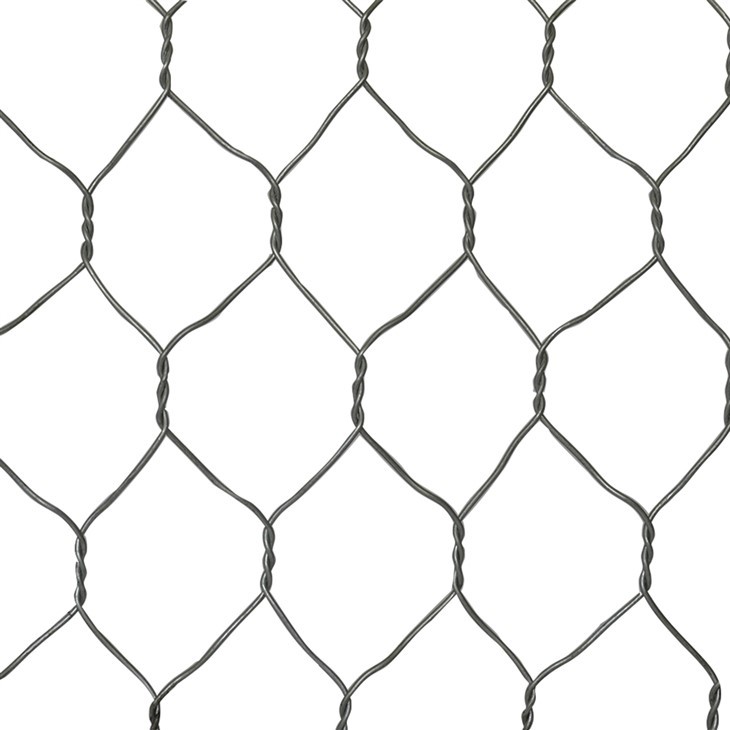
First off, let's talk about what gabions are. Gabions are basically wire mesh boxes or baskets filled with stones or other materials. They're used for a variety of purposes, like erosion control, retaining walls, and even decorative landscaping. You can check out some of our products, such as Galvanized Woven Gabion, Galvanized Hexagonal Gabion Basket, and Galvanized Welded Gabion.
Now, onto the big question: what's the impact of gabions on wildlife? Well, it's a bit of a mixed bag, and it really depends on a few factors.
Positive Impacts
Habitat Creation
One of the most significant positive impacts of gabions is that they can create new habitats for wildlife. When gabions are installed in areas like riversides or along slopes, they can provide shelter and breeding grounds for a variety of species. The spaces between the stones in the gabions offer hiding places for small animals, such as insects, reptiles, and amphibians. These critters can use the gabions as a safe haven from predators and harsh weather conditions.
For example, in a river environment, gabions can act as artificial reefs. Fish can find shelter among the stones, and invertebrates can attach themselves to the wire mesh or the surface of the stones. This, in turn, can attract more fish to the area, creating a more diverse and productive ecosystem.
Erosion Control and Habitat Preservation
Gabions are often used for erosion control, which can have a positive impact on wildlife habitats. By stabilizing slopes and riverbanks, gabions prevent soil erosion and sedimentation. This is crucial for maintaining the quality of water in rivers and streams, which is essential for the survival of aquatic species.
When erosion is unchecked, sediment can fill up the waterways, smothering fish eggs and destroying the habitats of aquatic plants and animals. By using gabions to control erosion, we can help preserve these habitats and ensure that wildlife has a healthy environment to live in.
Negative Impacts
Physical Barriers
One of the potential negative impacts of gabions is that they can act as physical barriers to wildlife movement. If gabions are installed in a continuous line without any gaps or corridors, they can prevent animals from migrating or accessing important resources, such as food, water, and mates.
For example, some small mammals and reptiles may have difficulty climbing over or through gabions. This can disrupt their natural behavior patterns and lead to population declines in the long run. To mitigate this issue, it's important to design gabion installations with wildlife corridors in mind. This could involve leaving gaps in the gabion structure or creating ramps or other features that allow animals to pass through.
Chemical Contamination
Another potential concern is chemical contamination. Some gabions are made from galvanized wire, which is coated with zinc to prevent rusting. While zinc is an essential element for many organisms, high levels of zinc can be toxic. If the zinc coating on the gabion wire starts to break down over time, it could release zinc into the surrounding environment, which could have a negative impact on wildlife.
However, modern galvanizing techniques are designed to be more environmentally friendly, and the risk of significant zinc contamination is relatively low. It's still important to choose high-quality gabions and monitor the installation site for any signs of chemical leaching.
Mitigating the Negative Impacts
Design Considerations
As I mentioned earlier, one of the key ways to mitigate the negative impacts of gabions on wildlife is through proper design. When planning a gabion installation, it's important to consider the needs of the local wildlife. This could involve creating wildlife corridors, using natural materials in the gabions, and minimizing the size and extent of the gabion structure.
For example, instead of installing a continuous wall of gabions, you could use a series of smaller gabion units with gaps in between. This would allow animals to move through the area more easily. You could also incorporate vegetation into the gabion design, which would provide additional habitat for wildlife and help to blend the gabions into the natural environment.
Monitoring and Maintenance
Once the gabions are installed, it's important to monitor the site regularly to ensure that they're not having a negative impact on wildlife. This could involve checking for signs of chemical contamination, observing the behavior of local animals, and assessing the condition of the gabions themselves.
If any issues are detected, such as signs of erosion or damage to the gabions, they should be addressed promptly. Regular maintenance can help to ensure that the gabions continue to function effectively while minimizing their impact on wildlife.
Conclusion
In conclusion, gabions can have both positive and negative impacts on wildlife. On the one hand, they can create new habitats and help to preserve existing ones through erosion control. On the other hand, they can act as physical barriers and potentially cause chemical contamination.
As a gabion supplier, I believe it's our responsibility to ensure that our products are used in a way that minimizes their negative impacts on wildlife. By following proper design and installation practices, and by monitoring and maintaining the gabions over time, we can help to create a more sustainable and wildlife-friendly environment.

If you're interested in learning more about our gabion products or have any questions about their impact on wildlife, please don't hesitate to reach out. We're always happy to chat and help you find the right solution for your project. Whether you're looking for Galvanized Woven Gabion, Galvanized Hexagonal Gabion Basket, or Galvanized Welded Gabion, we've got you covered.
References
- "Erosion Control and Sedimentation Management in Construction." Environmental Protection Agency.
- "Wildlife Habitat Assessment and Management." National Wildlife Federation.
- "The Impact of Artificial Structures on Aquatic Ecosystems." Journal of Aquatic Ecology.


