

Gabions are wire mesh containers filled with stones or other materials, commonly used in civil engineering, landscaping, and erosion control. As a gabion supplier, I've witnessed firsthand the durability and versatility of these structures. However, like any construction material, gabions are subject to wear and tear over time. Recognizing the signs of damage to gabions is crucial for maintaining their structural integrity and ensuring their long - term performance.
1. Visible Physical Damage
One of the most obvious signs of gabion damage is visible physical harm to the wire mesh. This can include cuts, tears, or holes in the mesh. These damages can occur due to various reasons, such as sharp objects coming into contact with the gabion, vandalism, or excessive stress on the mesh. For instance, if heavy machinery accidentally hits a gabion during construction or maintenance work, it can cause significant damage to the wire.
When inspecting gabions, pay close attention to areas where the mesh appears frayed or broken. Even small cuts can compromise the overall strength of the gabion, as they can allow the filling material to escape and weaken the structure. In some cases, the damage may be localized, but if left untreated, it can spread and lead to more extensive problems.

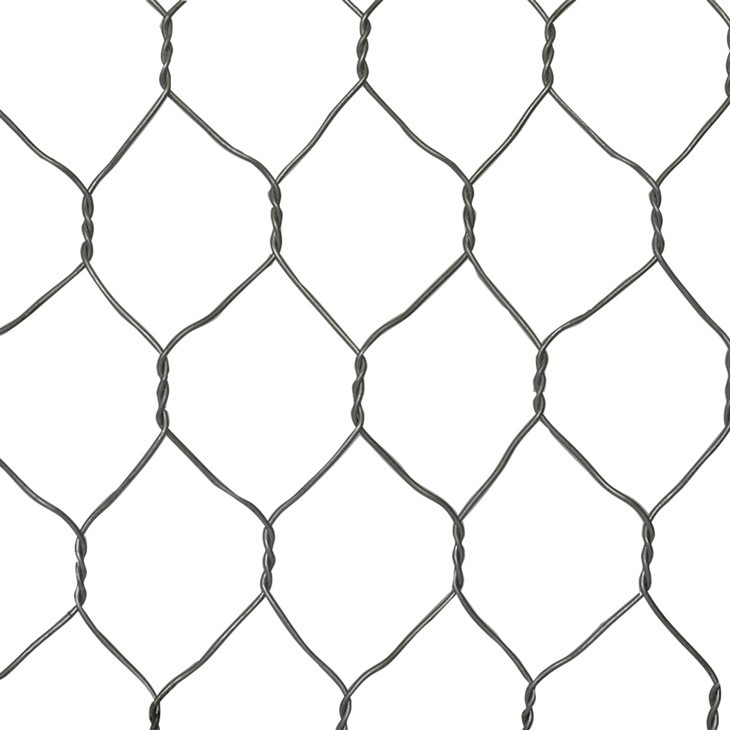
If you notice visible physical damage to the wire mesh, it's essential to address it promptly. For minor cuts and tears, patching the mesh with appropriate wire or using wire ties can be a temporary solution. However, for more severe damage, replacing the damaged section of the gabion may be necessary.
2. Rust and Corrosion
Rust and corrosion are common issues that can affect gabions, especially those made of metal wire. Exposure to moisture, oxygen, and certain chemicals in the environment can cause the metal to oxidize, leading to the formation of rust. Rust not only weakens the wire mesh but also makes it more susceptible to further damage.
The signs of rust and corrosion are usually easy to spot. You may notice a reddish - brown discoloration on the wire, which is a clear indication of rust. In more advanced cases, the rust may flake off, leaving behind pits and holes in the wire. Corrosion can also cause the wire to become brittle, increasing the risk of breakage.
To prevent rust and corrosion, many gabions are coated with protective materials such as zinc or PVC. For example, our Galvanized Woven Gabion is coated with zinc, which provides a sacrificial layer that corrodes in place of the underlying metal. Similarly, our PVC Coated Welded Gabion has a PVC coating that acts as a barrier against moisture and chemicals.
If you detect rust or corrosion on your gabions, it's important to take action quickly. For mild cases of rust, you can remove the rust using a wire brush and apply a rust - inhibiting paint or coating. However, if the corrosion is extensive, replacing the affected gabions may be the best option.
3. Displacement of Filling Material
The filling material in gabions plays a crucial role in providing stability and strength to the structure. If the filling material becomes displaced, it can affect the performance of the gabion. Signs of displacement can include uneven settling of the gabion, gaps between the stones, or the appearance of loose stones on the surface.
Displacement of the filling material can occur due to several factors. For example, heavy rainfall or flooding can cause the stones to shift, especially if the gabion is not properly installed or if the foundation is unstable. Earthquakes or ground movement can also lead to the displacement of the filling material.
When you notice signs of displacement, it's important to assess the severity of the problem. For minor displacement, you may be able to redistribute the filling material within the gabion to restore its stability. However, if the displacement is significant, it may be necessary to add more filling material or even rebuild the gabion.
4. Deformation of the Gabion Structure
Deformation of the gabion structure is another sign of damage that should not be ignored. This can include bulging, bending, or twisting of the gabion. Deformation can occur due to excessive pressure on the gabion, such as from the weight of the filling material or external forces.
For example, if a gabion is overfilled or if there is uneven pressure on one side of the structure, it can cause the gabion to bulge. Similarly, if the gabion is not properly supported or if the foundation is weak, it may bend or twist. Deformation not only affects the appearance of the gabion but also its structural integrity.
If you observe deformation of the gabion structure, it's important to determine the cause and take appropriate measures. Adjusting the filling material to ensure even distribution of weight, reinforcing the structure with additional supports, or realigning the gabion may be necessary. In some cases, replacing the deformed gabion may be the only solution.
5. Loose or Broken Joints
Gabions are often assembled using joints to connect the wire mesh panels. Loose or broken joints can compromise the integrity of the structure and allow the filling material to escape. Signs of loose or broken joints include gaps between the panels, wires that are not properly connected, or visible signs of separation.
Loose or broken joints can occur due to improper installation, wear and tear over time, or external forces. For example, if the joints were not tightened properly during installation, they may come loose over time. Vibration or movement can also cause the joints to loosen.
If you notice loose or broken joints, it's important to repair them as soon as possible. This can be done by tightening the wire ties or using additional connectors to secure the joints. In cases where the joints are severely damaged, replacing the affected sections of the gabion may be required.
Importance of Regular Inspections
Regular inspections of gabions are essential for detecting signs of damage early and taking appropriate action. By conducting routine inspections, you can identify potential problems before they become serious and ensure the long - term performance of the gabions.
During inspections, it's important to look for all the signs of damage mentioned above. Pay close attention to areas that are more vulnerable to damage, such as the corners, edges, and joints of the gabions. It's also a good idea to document the inspection findings, including any signs of damage, their location, and the date of the inspection.
As a gabion supplier, we recommend inspecting gabions at least once a year. However, in areas with harsh environmental conditions or high - traffic areas, more frequent inspections may be necessary.
Conclusion
Recognizing the signs of damage to gabions is crucial for maintaining their structural integrity and ensuring their long - term performance. By being aware of the common signs of damage, such as visible physical damage, rust and corrosion, displacement of filling material, deformation of the structure, and loose or broken joints, you can take proactive steps to address these issues.
At our company, we offer a wide range of high - quality gabions, including Woven Wire Gabion Basket, PVC Coated Welded Gabion, and Galvanized Woven Gabion. Our gabions are built to last, but regular maintenance and inspection are still necessary.
If you have any questions about gabion damage, maintenance, or if you're interested in purchasing gabions for your project, we encourage you to contact us for more information and to discuss your specific needs. We're here to help you find the best solutions for your construction and erosion control requirements.
References
- ASTM International. Standard Specification for Zinc - Coated (Galvanized) Steel Wire for Fencing. ASTM A185/A185M - 19.
- Federal Highway Administration. Gabion Walls for Highway Applications. FHWA - HI - 08 - 024.
- International Erosion Control Association. Erosion and Sediment Control Handbook.


