

When it comes to securing properties, deterring intruders, or containing livestock, barbed wire has long been a popular and effective solution. As a trusted barbed wire supplier, I understand the importance of using this product safely. In this blog post, I'll share essential safety precautions to keep in mind when working with barbed wire.
Personal Protective Equipment (PPE)
Before you even start handling barbed wire, it's crucial to gear up with the right personal protective equipment. This not only minimizes the risk of injuries but also ensures that you can work efficiently.
- Gloves: Heavy - duty, puncture - resistant gloves are a must. They protect your hands from cuts and punctures caused by the sharp barbs. Look for gloves made of materials like leather or Kevlar, which can withstand the sharp edges of the barbed wire.
- Eye Protection: Safety glasses or goggles shield your eyes from flying debris and potential barbs that might snap off during installation or handling. A small barb in the eye can cause serious damage, so this is a non - negotiable piece of PPE.
- Long - Sleeved Clothing: Wear long - sleeved shirts and long pants to protect your arms and legs from scratches and punctures. Tuck your pants into your boots to prevent barbs from getting inside.
Handling and Storage
Proper handling and storage of barbed wire are essential to prevent accidents.
- Unrolling: When unrolling barbed wire, do it slowly and carefully. Use a proper tool, like a wire unroller, to keep the wire under control. If you try to unroll it too quickly, the wire can spring back and cause injuries.
- Coiling: After use, coil the barbed wire neatly. Loose or tangled wire can be a hazard, both to you and others. Use a wire coiler or simply wrap it around a sturdy object, making sure the barbs are not exposed in a way that could cause injury.
- Storage: Store barbed wire in a dry, secure place. Keep it off the ground to prevent rusting, especially if it's Galvanized Barbed Wire. Make sure it's stored in a way that it won't fall or be knocked over, potentially causing harm.
Installation
Installing barbed wire requires attention to detail and strict adherence to safety protocols.

- Mark the Area: Before you start installing the barbed wire, mark the area where it will be placed. This helps you stay on track and also alerts others to the presence of the wire. Use stakes or flags to clearly define the boundaries.
- Support Posts: Ensure that the support posts are firmly in place. Weak or unstable posts can cause the wire to sag or break, increasing the risk of injury. The posts should be spaced at appropriate intervals, depending on the type and tension of the wire.
- Tensioning: Use a wire tensioner to apply the correct amount of tension to the barbed wire. Over - tensioning can cause the wire to break, while under - tensioning can make it ineffective and more likely to snag. Follow the manufacturer's guidelines for the recommended tension.
Working with Others
If you're working with a team to install or handle barbed wire, communication is key.
- Clear Communication: Establish clear signals and communication channels with your team members. Let them know when you're about to move the wire, cut it, or make any other changes. This helps prevent accidental contact with the barbs.
- Teamwork: Coordinate your movements to avoid getting in each other's way. For example, when unrolling or lifting the wire, make sure everyone is on the same page.
Maintenance
Regular maintenance of barbed wire is essential to keep it safe and effective.
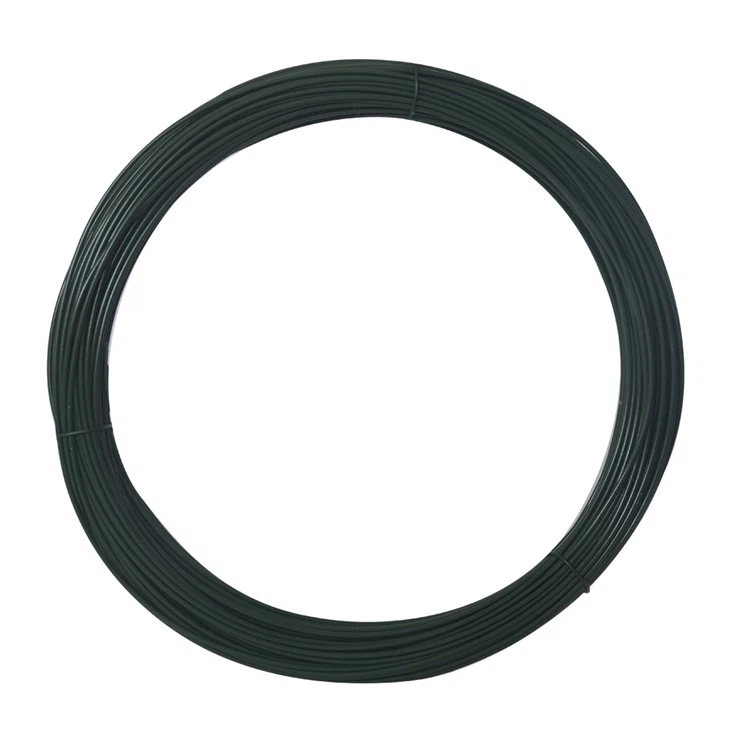
- Inspections: Periodically inspect the barbed wire for signs of damage, such as broken barbs, rust, or loose connections. If you notice any issues, repair or replace the affected sections immediately.
- Repairs: When making repairs, follow the same safety precautions as during installation. Use the appropriate tools and wear your PPE. If the damage is extensive, it may be necessary to replace the entire section of wire.
Different Types of Barbed Wire
There are various types of barbed wire available, each with its own characteristics and safety considerations.
- Galvanized Barbed Wire: This type of barbed wire is coated with zinc to prevent rust. While it's more durable, the galvanized coating can flake off over time, which may cause irritation if it comes into contact with your skin. Wear appropriate PPE when handling it to avoid any potential skin issues.
- Plastic Coated Barbed Wire: The plastic coating provides an extra layer of protection, both for the wire and for those who may come into contact with it. However, the plastic can be damaged, exposing the sharp barbs. Inspect the coating regularly for any signs of wear or tear.
- PVC Coated Barbed Wire: Similar to plastic - coated barbed wire, PVC - coated wire offers protection. But it's important to note that PVC can become brittle in extreme temperatures, so be extra cautious when handling it in cold or hot weather.
Environmental Considerations
When using barbed wire, it's important to consider the impact on the environment.

- Wildlife: Barbed wire can pose a danger to wildlife. To minimize this risk, consider using wildlife - friendly barbed wire or installing it at a height that reduces the likelihood of animals getting caught. You can also add flags or other visual markers to make the wire more visible to animals.
- Vegetation: Overgrown vegetation can interfere with the effectiveness of barbed wire and also make it more difficult to maintain. Regularly clear any plants or shrubs that are growing near the wire.
Disposal
When it's time to remove or replace barbed wire, proper disposal is crucial.
- Cutting: Use a wire cutter to cut the barbed wire into manageable sections. Make sure to wear your PPE during this process.
- Disposal Method: Dispose of the barbed wire in accordance with local regulations. In some areas, it may need to be taken to a special waste disposal facility. Do not leave it lying around, as it can still pose a hazard to people and animals.
In conclusion, using barbed wire safely requires a combination of proper planning, the right equipment, and strict adherence to safety protocols. By following these safety precautions, you can ensure that your barbed wire installation is both effective and safe.
If you're in the market for high - quality barbed wire, whether it's Galvanized Barbed Wire, Plastic Coated Barbed Wire, or PVC Coated Barbed Wire, we're here to help. Our team can provide you with the best products and advice to meet your specific needs. Feel free to reach out to us to start a procurement discussion.
References
- American Fence Association. (Year). Fence Installation and Safety Guidelines.
- National Institute for Occupational Safety and Health (NIOSH). (Year). Safety Precautions for Working with Sharp Materials.


