

The cost of a small coil wire can vary widely based on several factors. As a supplier of small coil wires, I've seen firsthand how elements like material, size, quality, and market demand influence the price. In this blog, I'll delve into these factors to give you a comprehensive understanding of what goes into determining the cost of a small coil wire.
Material
The material used to make the small coil wire is one of the most significant factors affecting its price. Common materials include steel, iron, copper, and aluminum, each with its own price range.
Steel wires are popular due to their strength and durability. They are often used in construction, manufacturing, and electrical applications. The cost of steel wires can vary depending on the grade of steel. High - strength steel wires, which are more resistant to corrosion and can withstand heavy loads, generally cost more than standard steel wires. For example, a small coil of high - carbon steel wire might be priced higher because of its enhanced mechanical properties.
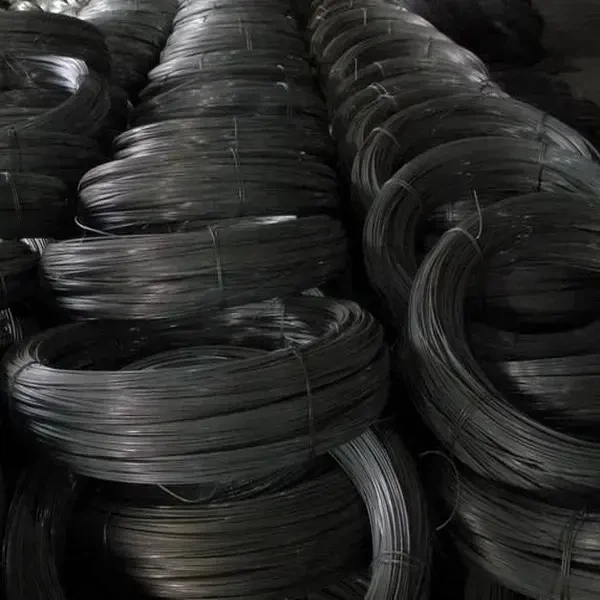
Iron wires are also widely used, especially in applications like fencing and tying. [Black Annealed Tie Wire](/iron - wire/black - annealed - tie - wire.html) is a type of iron wire that has been heat - treated to make it more flexible. The cost of iron wires is typically lower than that of steel wires, but it can still vary based on the purity of the iron and the manufacturing process.
Copper wires are well - known for their excellent electrical conductivity. They are commonly used in electrical wiring, electronics, and telecommunications. Copper is a relatively expensive metal, so small coil copper wires tend to be pricier. The price of copper is also subject to fluctuations in the global market, which can directly impact the cost of copper coil wires.
Aluminum wires are lighter and less expensive than copper wires. They are often used as an alternative in electrical applications where weight is a concern. However, they have lower conductivity than copper, which can limit their use in some high - performance applications.
Size
The size of the small coil wire, including its diameter and length, also plays a crucial role in determining its cost. Thicker wires generally cost more than thinner ones because they require more raw material. For example, a small coil of wire with a diameter of 3mm will cost more than a coil with a 1mm diameter, assuming the same material and quality.

The length of the wire in the coil is another important factor. Longer coils contain more wire, so they are more expensive. If you need a large amount of wire for a project, you might consider purchasing a longer coil, but it's essential to balance the cost with your actual needs.
Quality
The quality of the small coil wire is closely related to its manufacturing process and the standards it meets. High - quality wires are often made using advanced manufacturing techniques that ensure consistent diameter, smooth surface finish, and reliable mechanical properties.

For instance, wires that are manufactured with strict quality control measures to meet international standards like ISO will generally cost more than those without such certifications. Quality wires are less likely to break or fail during use, which can save you money in the long run by reducing the need for replacements and repairs.
Market Demand and Supply
The basic economic principle of supply and demand also affects the cost of small coil wires. When the demand for a particular type of wire is high and the supply is limited, the price will increase. Conversely, when there is an oversupply of a certain wire, the price will tend to drop.
Seasonal factors can also influence demand. For example, the demand for construction - related wires like [Double Loop Rebar Tie Wire](/iron - wire/double - loop - rebar - tie - wire.html) may increase during the peak construction season, leading to a rise in price.
Additional Features
Some small coil wires come with additional features that can increase their cost. [PVC Coated Iron Wire](/iron - wire/pvc - coated - iron - wire.html) is a good example. The PVC coating provides protection against corrosion, making the wire suitable for outdoor and harsh environments. The process of applying the PVC coating adds to the manufacturing cost, which is reflected in the final price of the wire.
Cost Estimates
It's difficult to provide an exact price for a small coil wire without knowing specific details. However, to give you a rough idea, a small coil of basic iron tie wire with a diameter of 1.2mm and a length of around 100 meters might cost anywhere from $5 to $10. A small coil of copper wire with a diameter of 0.5mm and a length of 50 meters could cost around $20 to $30, depending on the current market price of copper.
A high - quality steel wire with special coatings or enhanced mechanical properties may cost significantly more. For example, a small coil of galvanized steel wire with a diameter of 2mm and a length of 200 meters could cost $20 to $40.
Conclusion
In conclusion, the cost of a small coil wire is determined by multiple factors, including material, size, quality, market demand, and additional features. As a supplier, I understand that customers are always looking for the best value for their money. That's why I offer a wide range of small coil wires to meet different needs and budgets.
If you're interested in purchasing small coil wires for your project, I encourage you to contact me for more information. We can discuss your specific requirements and I'll provide you with a detailed quote. Whether you need a basic iron wire for a simple DIY project or a high - performance copper wire for an electrical installation, I'm here to help.
References
- ASTM International Standards on Wire Materials
- Industry Reports on Metal Prices and Market Trends
- Technical Literature on Wire Manufacturing Processes


