

Hey there, fellow boat enthusiasts! If you're like me, spending time on the water is one of the best ways to unwind and have some fun. But when it comes to anchoring your boat, it can be a bit of a headache. That's why I'm here to share some tips on how to choose the right pole anchor for your boat. As a pole anchor supplier, I've seen it all, and I'm excited to help you make the best choice for your needs.
Why You Need a Pole Anchor
First things first, let's talk about why you need a pole anchor in the first place. Sure, you could use a traditional anchor, but pole anchors have some unique advantages. For starters, they're much easier to deploy and retrieve. You don't have to worry about dropping a heavy anchor overboard and then struggling to pull it back up. With a pole anchor, you simply slide it into the water and secure it in place.
Another advantage of pole anchors is that they're more precise. You can position your boat exactly where you want it, without having to worry about it drifting away. This is especially useful if you're fishing or just want to relax in a specific spot.
Factors to Consider When Choosing a Pole Anchor
Now that you know why you need a pole anchor, let's talk about the factors you should consider when choosing one. There are several things to keep in mind, including the size and weight of your boat, the type of water you'll be using it in, and your personal preferences.
Boat Size and Weight
The size and weight of your boat are two of the most important factors to consider when choosing a pole anchor. You want to make sure that the anchor is strong enough to hold your boat in place, but not so heavy that it's difficult to handle. As a general rule of thumb, you should choose a pole anchor that's rated for at least 1.5 times the weight of your boat.
For example, if you have a 1000-pound boat, you should choose a pole anchor that's rated for at least 1500 pounds. This will give you some extra peace of mind and ensure that your boat stays put, even in windy or rough conditions.
Water Type
The type of water you'll be using your pole anchor in is another important factor to consider. If you'll be using it in shallow water, you'll want to choose a shorter pole anchor. This will make it easier to deploy and retrieve, and it will also be less likely to get stuck in the mud or sand.
On the other hand, if you'll be using it in deeper water, you'll want to choose a longer pole anchor. This will give you more reach and allow you to anchor your boat in a wider range of depths.
Personal Preferences
Finally, you'll want to consider your personal preferences when choosing a pole anchor. Do you prefer a certain type of material or design? Do you want an anchor that's easy to install and remove? These are all things to keep in mind when making your decision.

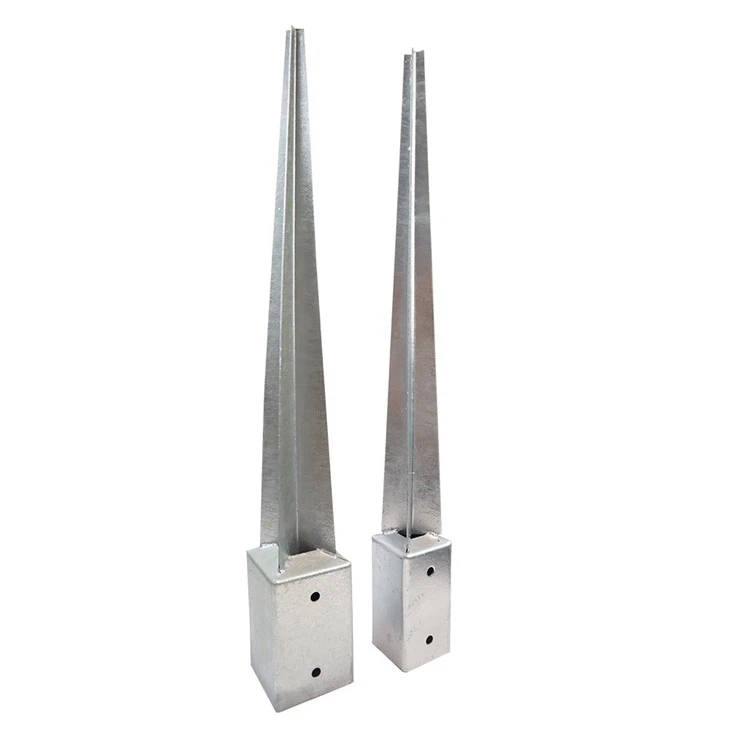
Types of Pole Anchors
There are several types of pole anchors available on the market, each with its own unique features and benefits. Here are some of the most common types:
Square Pole Anchor
The Square Pole Anchor is a popular choice for many boaters. It's made of durable materials and has a square shape that provides excellent stability. This type of anchor is ideal for use in shallow water and can be easily deployed and retrieved.
Powder Coated Ground Post
The Powder Coated Ground Post is another great option. It's made of high-quality steel and has a powder-coated finish that protects it from rust and corrosion. This type of anchor is ideal for use in saltwater or freshwater and can be used in a variety of depths.
Round Pole Anchor
The Round Pole Anchor is a classic choice that's been around for years. It's made of heavy-duty materials and has a round shape that provides excellent holding power. This type of anchor is ideal for use in deeper water and can be used in a variety of conditions.
How to Install a Pole Anchor
Once you've chosen the right pole anchor for your boat, it's time to install it. The installation process will vary depending on the type of anchor you choose, but here are some general tips to keep in mind:
- Choose the Right Location: You'll want to choose a location on your boat where the anchor will be easy to deploy and retrieve. Make sure that the area is clear of any obstacles and that there's enough space for the anchor to move freely.
- Drill the Holes: If your anchor requires holes to be drilled, make sure that you use the right size drill bit and that you drill the holes in the correct location. You may also want to use a template to ensure that the holes are evenly spaced.
- Install the Mounting Brackets: Once you've drilled the holes, you can install the mounting brackets. Make sure that the brackets are securely attached to the boat and that they're level.
- Attach the Anchor: Finally, you can attach the anchor to the mounting brackets. Make sure that the anchor is securely attached and that it's able to move freely.
Conclusion
Choosing the right pole anchor for your boat is an important decision that can have a big impact on your boating experience. By considering the factors we've discussed in this blog post and choosing the right type of anchor for your needs, you can ensure that your boat stays put and that you have a safe and enjoyable time on the water.
If you have any questions or need help choosing the right pole anchor for your boat, please don't hesitate to contact us. We're here to help you make the best choice for your needs and to ensure that you're completely satisfied with your purchase.
References
- BoatUS Foundation for Boating Safety and Clean Water. (n.d.). Anchoring Basics. Retrieved from https://www.boatus.org/boat-ed/course/anchoring/anchoring-basics/
- West Marine. (n.d.). How to Choose an Anchor. Retrieved from https://www.westmarine.com/WestAdvisor/How-to-Choose-an-Anchor
- Boat Anchor World. (n.d.). Types of Boat Anchors. Retrieved from https://www.boatanchorworld.com/types-of-boat-anchors/


