

As a gabion supplier, I've had numerous inquiries about how gabions perform in cold climates. It's a crucial question, especially for clients in regions with harsh winters. In this blog, I'll delve into the performance of gabions under cold - weather conditions, exploring their durability, functionality, and the best types to use.
Understanding Gabions
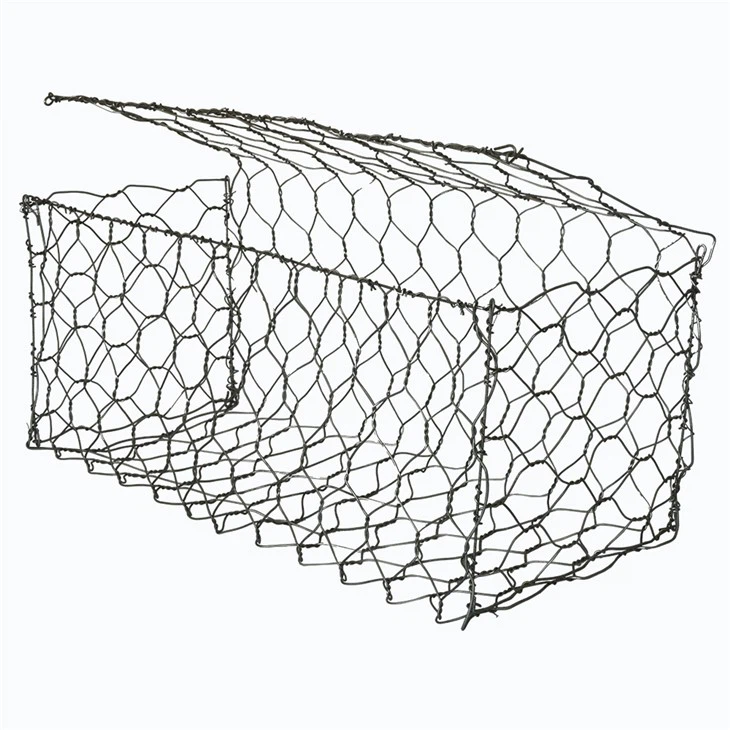
Gabions are wire mesh containers filled with stones, rocks, or other suitable materials. They are widely used in civil engineering and landscaping for various purposes such as erosion control, retaining walls, and slope stabilization. The wire mesh used in gabions can be made from different materials, including galvanized steel, Galfan - coated steel, and others.
- Galvanized Welded Gabion: These gabions are made of welded wire mesh that is galvanized to prevent rusting. The welding process ensures a strong and stable structure. You can learn more about them Galvanized Welded Gabion.
- Galfan Coated Woven Gabion: Galfan is an alloy coating that offers excellent corrosion resistance. Woven wire mesh provides flexibility, making these gabions suitable for applications where some degree of movement is expected. Check out Galfan Coated Woven Gabion for more details.
- Hexagonal Woven Gabions: The hexagonal shape of the wire mesh gives these gabions a unique appearance and enhanced strength. They are often used in applications where aesthetic appeal is also a consideration. Find more information about Hexagonal Woven Gabions.
Performance in Cold Climates
Durability
One of the primary concerns in cold climates is the durability of the gabions. The wire mesh is the first line of defense against the elements. Galvanized and Galfan - coated wire meshes are well - suited for cold climates. The zinc or zinc - alloy coating acts as a sacrificial layer, protecting the underlying steel from corrosion.
In freezing temperatures, water can seep into the gabion structure. If the water freezes and expands, it can potentially damage the wire mesh. However, high - quality gabions are designed to withstand this pressure. The wire mesh should have sufficient strength and flexibility to accommodate the expansion of ice without breaking.
The filling material also plays a role in durability. Stones with high porosity may absorb water, which can lead to cracking when the water freezes. Therefore, it's important to choose dense, non - porous stones for gabion filling in cold climates. This helps to prevent damage to the gabion structure caused by freeze - thaw cycles.

Functionality
Gabions continue to perform their intended functions in cold climates. For erosion control, they act as a barrier against the forces of water and wind. Even in freezing conditions, the stones in the gabions provide a stable surface that resists the movement of soil and sediment.
In the case of retaining walls, gabions maintain their structural integrity. The weight of the stones and the interlocking nature of the gabion structure help to hold back soil and prevent slope failure. Cold temperatures do not significantly affect the load - bearing capacity of gabions, as long as they are properly designed and installed.
Frost Heave
Frost heave is a common issue in cold climates. It occurs when water in the soil freezes and expands, causing the ground surface to lift. Gabions can be designed to mitigate the effects of frost heave. By placing a layer of gravel or geotextile fabric beneath the gabions, the movement of water can be controlled, reducing the risk of frost heave.
The flexibility of some gabion types, such as Galfan Coated Woven Gabions, allows them to adapt to minor ground movements caused by frost heave without losing their functionality. However, proper installation and foundation preparation are essential to ensure that the gabions can withstand these forces.
Best Practices for Using Gabions in Cold Climates
Material Selection
As mentioned earlier, choosing the right wire mesh and filling material is crucial. Opt for galvanized or Galfan - coated wire meshes for their corrosion resistance. For the filling, select hard, non - porous stones like granite or basalt. These stones are less likely to be damaged by freeze - thaw cycles.
Installation
Proper installation is key to the performance of gabions in cold climates. The foundation should be well - compacted and level. A layer of gravel or geotextile fabric can be added to improve drainage and prevent frost heave.
The gabions should be stacked and connected securely. The connections between the gabions should be strong enough to withstand the forces exerted by the filling material and external factors such as wind and water.
Maintenance
Regular maintenance is necessary to ensure the long - term performance of gabions in cold climates. After each winter, inspect the gabions for any signs of damage, such as broken wire mesh or displaced stones. Replace any damaged components promptly to prevent further deterioration.
Case Studies
Let's look at a few real - world examples of gabions performing well in cold climates. In a coastal area with cold winters, gabions were used for erosion control. The galvanized wire mesh and dense stone filling withstood the harsh winter conditions, including strong winds, freezing temperatures, and wave action. The gabions effectively protected the shoreline from erosion, demonstrating their durability and functionality.
Another case involved a retaining wall in a mountainous region. Hexagonal Woven Gabions were installed to stabilize a slope. Despite the cold temperatures and significant snowfall, the gabions maintained their structural integrity. The flexibility of the woven wire mesh allowed it to adapt to minor ground movements caused by frost heave, and the wall continued to hold back the soil effectively.
Conclusion
In conclusion, gabions can perform effectively in cold climates if the right materials are used, proper installation techniques are followed, and regular maintenance is carried out. Galvanized and Galfan - coated wire meshes offer good corrosion resistance, while non - porous stones provide durability against freeze - thaw cycles.
Whether you're looking for erosion control, retaining walls, or slope stabilization in a cold climate, gabions are a reliable solution. If you're interested in purchasing gabions for your project, I encourage you to contact me for more information and to discuss your specific requirements. We can work together to ensure that you get the best - suited gabions for your needs.
References
- ASTM International. (20XX). Standards for wire mesh and stone materials used in gabions.
- Civil Engineering Handbook. (20XX). Chapter on soil stabilization and erosion control.
- Case studies from various engineering projects in cold climate regions.


