

Hey there! As a gabion supplier, I've seen firsthand how these nifty structures play a crucial role in stabilizing railway embankments. In this blog, I'm gonna break down how gabions are used in this important task.
What are Gabions Anyway?
First things first, let's talk about what gabions are. Gabions are basically wire baskets filled with rocks or other aggregate materials. They come in different types, like Galvanized Welded Gabion Basket, PVC Coated Woven Gabion, and PVC Coated Welded Gabion. Each type has its own unique features and advantages, which we'll get into later.
Why Railway Embankments Need Stabilization
Railway embankments are the raised structures that support the tracks. They're constantly exposed to all sorts of forces, like the weight of the trains, the impact of the wheels, and the effects of weather. Over time, these forces can cause the embankment to erode, settle, or even collapse. That's where gabions come in.
How Gabions Stabilize Railway Embankments
Erosion Control
One of the main ways gabions help stabilize railway embankments is by controlling erosion. When it rains or when water flows over the embankment, it can wash away the soil. Gabions act as a barrier, preventing the water from directly hitting the soil and carrying it away. The rocks inside the gabions also help to slow down the flow of water, reducing its erosive power.
For example, if you have a railway embankment near a river or in an area with heavy rainfall, installing gabions along the slope can significantly reduce erosion. The gabions can be placed in a single layer or in multiple layers, depending on the severity of the erosion problem.

Slope Stabilization
Gabions can also help to stabilize the slope of the railway embankment. The weight of the rocks inside the gabions provides additional support to the soil, preventing it from sliding or slumping. This is especially important in areas with steep slopes or where the soil is loose or unstable.
When installing gabions for slope stabilization, they are usually placed in a stepped pattern. This creates a series of small retaining walls that help to hold the soil in place. The gabions can be connected to each other using wire ties or other connectors, creating a continuous and stable structure.
Drainage
Proper drainage is essential for the stability of railway embankments. If water is allowed to accumulate in the soil, it can increase the weight of the embankment and cause it to settle or collapse. Gabions can help with drainage by allowing water to pass through the rocks and into the soil below.
The wire mesh of the gabions also helps to prevent the soil from clogging the drainage system. This allows water to flow freely, reducing the risk of waterlogging and soil saturation.
Types of Gabions for Railway Embankment Stabilization
Galvanized Welded Gabion Basket
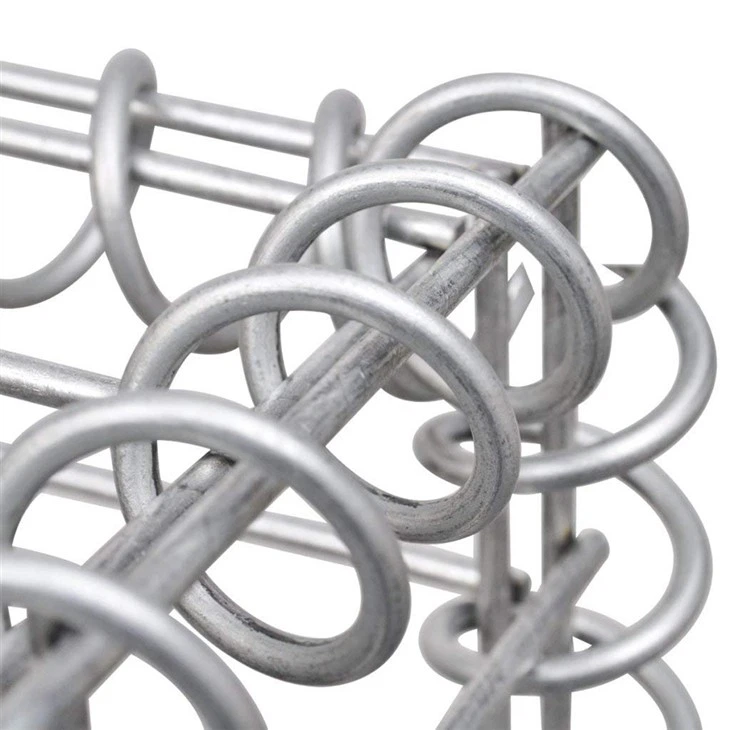
Galvanized welded gabion baskets are made from welded wire mesh that has been coated with zinc to prevent rusting. They are strong, durable, and easy to install. These gabions are a popular choice for railway embankment stabilization because they can withstand the heavy loads and harsh environmental conditions.
The welded wire mesh provides a rigid structure that can hold the rocks in place, even under high pressure. The zinc coating also protects the wire from corrosion, ensuring a long service life.
PVC Coated Woven Gabion
PVC coated woven gabions are made from woven wire mesh that has been coated with PVC. This coating provides additional protection against corrosion and UV rays, making the gabions more suitable for outdoor applications.
The woven wire mesh gives the gabions a more flexible structure, which can be beneficial in areas where the ground may move or settle. The PVC coating also makes the gabions more resistant to abrasion, which is important in areas with high traffic or where the gabions may be exposed to rocks or other debris.
PVC Coated Welded Gabion
PVC coated welded gabions combine the strength of welded wire mesh with the corrosion resistance of PVC coating. They are similar to galvanized welded gabion baskets, but with the added protection of the PVC coating.
These gabions are ideal for use in areas where there is a high risk of corrosion, such as near the coast or in industrial areas. The PVC coating also gives the gabions a more aesthetically pleasing appearance, which can be important in some applications.
Installation Process
Installing gabions for railway embankment stabilization is a relatively straightforward process, but it does require some planning and preparation. Here's a general overview of the steps involved:
- Site Preparation: First, the area where the gabions will be installed needs to be cleared of any vegetation, rocks, or other debris. The ground should be leveled and compacted to provide a stable base for the gabions.
- Gabion Placement: Once the site is prepared, the gabions are placed in the desired location. They can be placed in a single layer or in multiple layers, depending on the design requirements. The gabions are usually connected to each other using wire ties or other connectors to create a continuous structure.
- Filling the Gabions: After the gabions are placed, they are filled with rocks or other aggregate materials. The rocks should be of a suitable size and shape to ensure that they fit snugly inside the gabions and provide the necessary strength and stability.
- Completing the Installation: Once the gabions are filled, the tops can be closed using wire ties or other fasteners. The edges of the gabions can also be trimmed and secured to ensure a neat and professional appearance.
Maintenance
Gabions are a relatively low-maintenance solution for railway embankment stabilization. However, it's still important to perform regular inspections to ensure that the gabions are in good condition and functioning properly.
During inspections, check for any signs of damage, such as broken wires or rusting. If any damage is found, it should be repaired as soon as possible to prevent further deterioration. It's also a good idea to check the stability of the embankment and the gabions after heavy rainfall or other extreme weather events.
Contact for Purchase and Consultation
If you're thinking about using gabions for railway embankment stabilization or any other project, I'd love to hear from you. As a gabion supplier, I can provide you with high-quality gabions at competitive prices. I can also offer expert advice on the best type of gabion for your specific needs and provide installation guidance.
Don't hesitate to reach out. Let's work together to make your project a success!
References
- "Soil Mechanics and Foundation Engineering" by B.M. Das
- "Geotechnical Engineering Handbook" by H.Y. Fang
- "Earth Reinforcement and Soil Structures" by J. Han and Y.H. Gabr


