

Pole anchors are essential components in various applications, from fencing and construction to outdoor signage and landscaping. As a trusted Pole Anchor supplier, I often encounter questions from customers about the maintenance requirements of these products. In this blog post, I will delve into the topic of whether pole anchors require maintenance, exploring the factors that influence their upkeep and providing practical tips to ensure their longevity and performance.
Understanding Pole Anchors
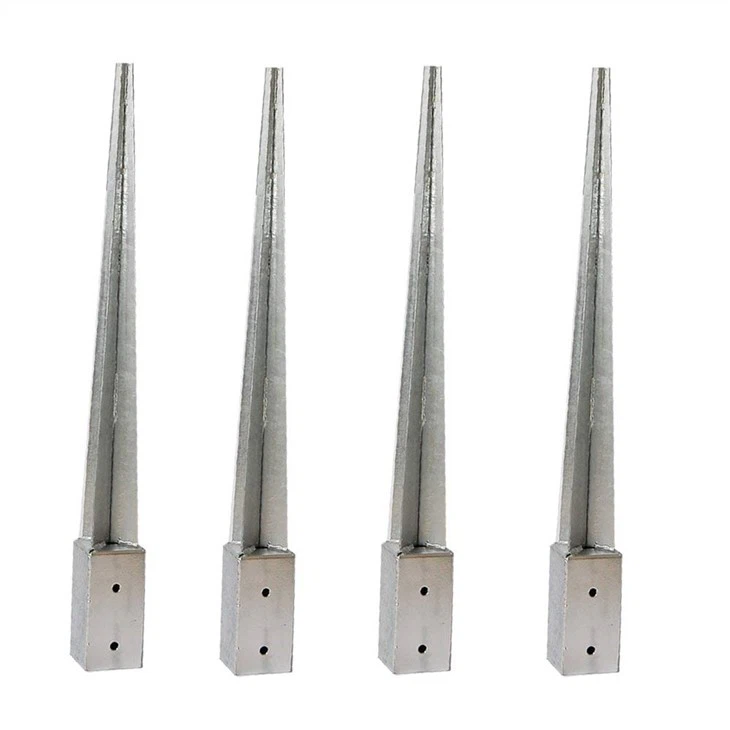
Before discussing maintenance, it's important to understand what pole anchors are and how they work. Pole anchors are devices used to secure poles or posts firmly in the ground, providing stability and preventing them from leaning, shifting, or falling. They come in a variety of shapes, sizes, and materials, each designed to suit different applications and soil conditions.
Some common types of pole anchors include:
- Round Pole Anchor: These anchors are typically used for round poles and are available in different diameters to accommodate various pole sizes. They are often made of steel or concrete and are designed to be driven or inserted into the ground.
- Fence Post Spike Post Anchor: These anchors are specifically designed for fence posts and feature a spike or stake that is driven into the ground. They are easy to install and provide a secure hold for fence posts.
- Square Pole Anchor: These anchors are used for square poles and are similar in design to round pole anchors. They are available in different sizes and materials and are suitable for a variety of applications.
Factors Affecting Maintenance Requirements
The maintenance requirements of pole anchors depend on several factors, including the type of anchor, the material it is made of, the environment in which it is installed, and the frequency of use. Here are some key factors to consider:
- Material: The material of the pole anchor plays a significant role in its maintenance requirements. For example, steel anchors are prone to rust and corrosion, especially in humid or coastal environments. Concrete anchors, on the other hand, are more durable and require less maintenance.
- Environment: The environment in which the pole anchor is installed can also affect its maintenance needs. Anchors installed in areas with high moisture, such as near bodies of water or in areas with heavy rainfall, are more likely to require maintenance. Similarly, anchors installed in areas with extreme temperatures or harsh weather conditions may also need more frequent upkeep.
- Frequency of Use: The frequency of use of the pole anchor can also impact its maintenance requirements. Anchors that are subjected to heavy loads or frequent movement may require more frequent inspections and maintenance to ensure their continued performance.
Maintenance Tips for Pole Anchors
While the maintenance requirements of pole anchors vary depending on the factors mentioned above, there are some general tips that can help ensure their longevity and performance. Here are some practical maintenance tips for pole anchors:
- Regular Inspections: Conduct regular inspections of the pole anchors to check for any signs of damage, such as cracks, rust, or loosening. Inspect the anchors at least once a year, or more frequently if they are installed in harsh environments or subjected to heavy loads.
- Cleaning: Keep the pole anchors clean and free of debris to prevent corrosion and damage. Use a mild detergent and water to clean the anchors, and rinse them thoroughly to remove any soap residue.
- Lubrication: If the pole anchors have moving parts, such as bolts or hinges, lubricate them regularly to prevent rust and ensure smooth operation. Use a high-quality lubricant that is suitable for the type of material the anchor is made of.
- Tightening: Check the bolts and nuts on the pole anchors regularly to ensure they are tightened properly. Loose bolts and nuts can cause the anchor to shift or become unstable, which can lead to damage or failure.
- Replacement: If the pole anchor is damaged beyond repair or shows signs of excessive wear and tear, replace it immediately. Using a damaged or worn-out anchor can pose a safety hazard and may result in the failure of the pole or post it is supporting.
Do Pole Anchors Require Maintenance?
In conclusion, whether pole anchors require maintenance depends on several factors, including the type of anchor, the material it is made of, the environment in which it is installed, and the frequency of use. While some pole anchors may require minimal maintenance, others may need more frequent upkeep to ensure their longevity and performance.
As a Pole Anchor supplier, I recommend following the maintenance tips outlined in this blog post to ensure the proper care and upkeep of your pole anchors. By conducting regular inspections, cleaning, lubricating, tightening, and replacing the anchors as needed, you can extend their lifespan and prevent costly repairs or replacements.
If you have any questions or need further information about the maintenance of pole anchors, please don't hesitate to contact me. I am here to help you find the right pole anchors for your needs and provide you with the support and guidance you need to ensure their proper installation and maintenance.

References
- "Pole Anchors: Types, Installation, and Maintenance." Construction Magazine, [Publication Date].
- "Maintenance Tips for Outdoor Structures." Home Improvement Journal, [Publication Date].
- "The Importance of Regular Inspections for Pole Anchors." Safety First Magazine, [Publication Date].


