

Hey there! As a fence panel supplier, I often get asked if it's possible to install a fence panel in winter. Well, the short answer is yes, you can, but there are some things you need to know first. In this blog, I'll share with you all the ins and outs of winter fence panel installation.
The Feasibility of Winter Installation
Let's start by talking about why winter might seem like a bad time for fence installation. The obvious factors are the cold weather, snow, and frozen ground. These conditions can make the installation process more challenging, but they don't necessarily rule it out.
The cold weather can affect the materials. For example, wood can become more brittle in low temperatures, which means it might crack more easily during installation. Metal can also be affected, as it contracts in the cold. However, modern fence materials are designed to be more resilient. For instance, Double Wire Fencing Panel is made of high - strength materials that can withstand the cold. It's a great option for winter installation because its structure remains stable even in freezing temperatures.
Frozen ground is another big concern. Digging post holes in frozen soil is no joke. It can be extremely labor - intensive and may require special tools. If the ground is too hard, you might not be able to dig the holes deep enough, which can compromise the stability of the fence. But there are solutions. You can use a jackhammer or a power auger to break through the frozen layer. Some people also use a technique called "thawing the ground." You can cover the area where you need to dig with a tarp and use heat lamps to gradually thaw the soil. This method takes time, but it can be effective.
Advantages of Winter Installation
Believe it or not, there are some advantages to installing a fence in winter. First of all, there's less competition for contractors. During the warmer months, fence installers are usually booked solid. In winter, they may have more availability, which means you might be able to get your fence installed faster and potentially at a lower cost.
Secondly, the plants in your yard are dormant in winter. This means that there's less risk of damaging your landscaping during the installation process. You won't have to worry about accidentally cutting down your favorite shrubs or trampling on your flower beds.
Considerations for Different Fence Types
Let's talk about different types of fence panels and how winter affects them.
Wood Fence Panels
Wood is a popular choice for fences, but it requires special care in winter. As I mentioned earlier, wood can become brittle in the cold. Before installation, make sure to store the wood in a warm place for a few days so that it can acclimate to the temperature. This will reduce the risk of cracking. Also, make sure to treat the wood with a weather - resistant sealant. This will protect it from moisture and prevent rot.
PVC Fence Panels
3D PVC Fencing is a great option for winter installation. PVC is not affected by cold temperatures in the same way as wood. It doesn't crack or warp, and it's resistant to moisture. This means that you don't have to worry about the fence getting damaged by snow or ice. PVC fences are also very easy to install. They usually come with pre - drilled holes and can be assembled quickly.
3D Fencing Panels
3D Fencing Panel offers a unique and modern look. These panels are often made of a combination of materials, such as plastic and metal. In winter, you need to pay attention to the joints and connections. Cold weather can cause the materials to contract, which might loosen the connections. Make sure to check and tighten all the bolts and screws during installation to ensure the fence remains stable.
Pre - installation Preparation
Before you start installing your fence panel in winter, there are some important steps you need to take.
First, check the weather forecast. You want to choose a day when the temperature is relatively stable and there's no snow or heavy rain in the forecast. A few days of milder weather can make a big difference in the installation process.
Next, gather all the necessary tools and materials. In addition to the standard tools like a shovel, level, and hammer, you might need some winter - specific tools, such as a jackhammer or heat lamps. Make sure you have enough materials on hand, including fence panels, posts, and concrete for securing the posts.
Also, mark the area where you're going to install the fence. Use stakes and string to outline the perimeter. This will help you stay on track during the installation process and ensure that the fence is straight and level.
Installation Process
The installation process for a fence panel in winter is similar to that in other seasons, but with some extra precautions.

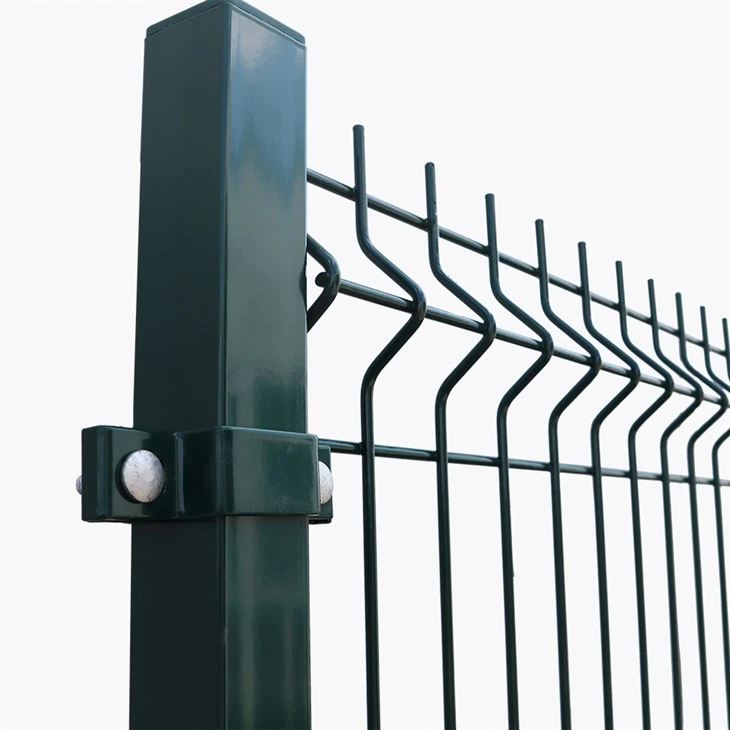
Start by digging the post holes. As I mentioned earlier, this can be the most challenging part in winter. Make sure the holes are deep enough and wide enough to accommodate the fence posts. Once the holes are dug, place the posts in the holes and use a level to make sure they are straight.
Mix the concrete according to the manufacturer's instructions. Pour the concrete into the post holes, making sure to fill them completely. The cold weather can slow down the curing process of the concrete, so it might take longer for it to set. You can use a special cold - weather concrete mix that is designed to cure faster in low temperatures.
After the posts are set, it's time to install the fence panels. Attach the panels to the posts using the appropriate hardware. Make sure the connections are tight and secure. If you're using wood panels, you might need to pre - drill the holes to prevent the wood from splitting.
Maintenance After Installation
Once your fence is installed, you need to take some steps to maintain it during the winter.
For wood fences, check for any signs of cracking or splitting. If you notice any damage, repair it as soon as possible. You can use wood filler to fill in the cracks and then sand and paint the area to protect it from further damage.
For PVC and 3D fencing panels, clean them regularly to remove any snow, ice, or debris. This will prevent the buildup of moisture, which can cause damage over time. You can use a mild soap and water solution to clean the panels.
Conclusion
So, can you install a fence panel in winter? Absolutely! While it presents some challenges, with the right preparation, tools, and techniques, it's definitely doable. Whether you choose Double Wire Fencing Panel, 3D PVC Fencing, or 3D Fencing Panel, there are options available to suit your needs.
If you're interested in purchasing fence panels for winter installation, don't hesitate to reach out. We're here to help you choose the right fence for your property and provide you with all the support you need during the installation process. Contact us for more information and to start the procurement negotiation.
References
- Fence Installation Handbook, a comprehensive guide on fence installation techniques and best practices.
- Construction Materials in Cold Weather, a research paper on the effects of cold weather on different construction materials.


