

A wire tensioner is a vital tool used in a variety of industries to apply and maintain tension in wire systems. It plays an essential role in fencing, trellising, construction, and other applications where wires need to be pulled taut and held firmly in place. The quality and material of the wire used with the tensioner are critical to the success of the installation. Common wire materials include electro galvanized , hot-dipped galvanized , and PVC powder-coated , each offering different levels of durability, corrosion resistance, and aesthetic value.
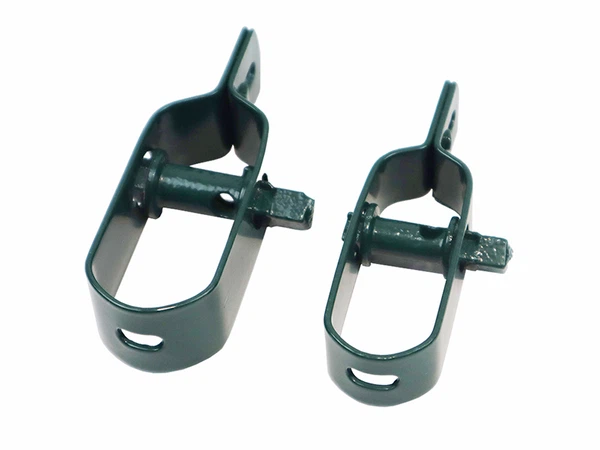
What is a Wire Tensioner?
A wire tensioner is a mechanical device designed to tighten wire and maintain that tension over time. It is typically used in:
Agricultural fencing (e.g., barbed wire, electric fencing)
Garden and vineyard trellises
Perimeter security fencing
Construction scaffolding systems
Wire mesh installations
Wire tensioners ensure that the wire remains firm and aligned, preventing sagging, shifting, or failure due to slack or environmental factors like wind and temperature changes.

Materials
These wire tensioners are manufactured from solid steel and are available in three protective finishes to suit different environments and performance requirements:
Electro Galvanized – This finish offers a thin, uniform zinc coating applied via electroplating. It provides a clean, bright appearance and basic corrosion protection, making it ideal for indoor or light outdoor use.
Hot-Dipped Galvanized – For more aggressive environments, this version is dipped in molten zinc, creating a thicker, more rugged protective layer. It offers superior resistance to rust and is well-suited for outdoor agricultural and construction use.
PVC Powder Coated – The most durable and aesthetically pleasing option. These tensioners are coated in colored PVC powder and cured to form a tough, weatherproof finish. This layer provides excellent protection from moisture, UV rays, and impact damage, while blending nicely into garden and landscape settings.
Each material type ensures long-lasting performance under different environmental stresses, allowing users to choose the best fit for their specific application.
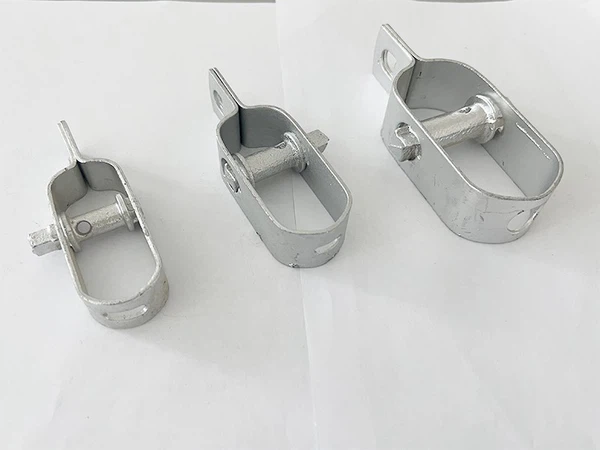
Available Sizes and Dimensions
These wire tensioners are available in three standard sizes to match different wire lengths and load requirements:
No.2 Wire Tensioner
Length: approx. 90 mm
No.3 Wire Tensioner
Length: approx. 105 mm
No.4 Wire Tensioner
Length: approx. 120 mm
The clamping hole of about 4 mm is consistent across all sizes, allowing for compatibility with many wire types, including electro galvanized, hot-dipped galvanized, and PVC powder-coated wires. These sizes ensure users can select the correct model depending on the wire tensioning requirements-from lighter garden fences to medium-heavy agricultural or security fencing.
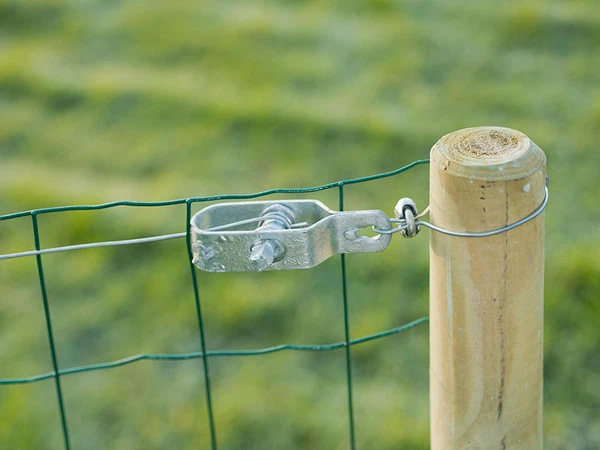
Applications of Wire Tensioners
Wire tensioners are used in a broad range of sectors, including:
Agriculture: Vineyard trellises, livestock fencing, crop row support
Construction: Scaffolding support wires, temporary fencing, safety nets
Industrial: Conveyor belts, overhead wire supports
Residential: Garden boundaries, pet enclosures, greenhouses
Using the right wire and tensioner combination is key to building a safe, long-lasting, and efficient system.
Easy Installation and Maintenance
One of the key advantages of this wire tensioner is its easy installation. It can be tensioned with a standard open-end wrench, eliminating the need for special tools. This makes it ideal for quick setup in the field or on-site.
The wire tensioner also allows for easy re-tensioning even after years of use. Wire lines can loosen over time due to ground shifting, temperature changes, or vegetation growth. With this design, tightening the wire again is a simple and fast process, ensuring long-term fence integrity.


