

Gabions are rectangular or cylindrical wire mesh cages filled with natural materials such as rock, gravel or sand. Gabions have been used for centuries in construction and landscaping and are known for their strength, durability and versatility. These environmentally friendly structures have a variety of uses, from erosion control to aesthetically pleasing garden landscaping, blending functionality with natural beauty.
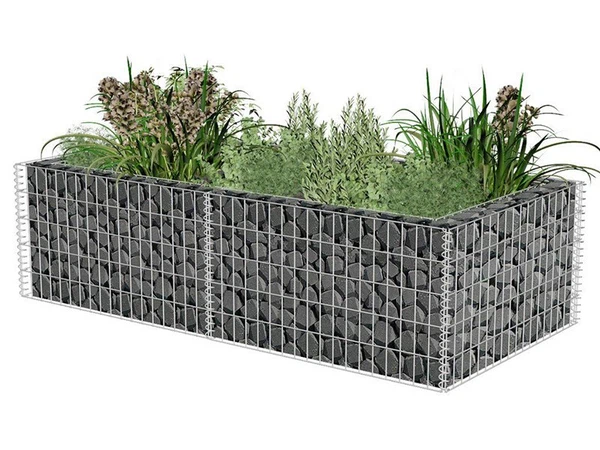
What is Gabion?
The term "gabion" originates from the Italian word gabbione, meaning "big cage." Typically made of galvanized steel or PVC-coated wire mesh, gabions are designed to withstand harsh environmental conditions. They come in various shapes and sizes, allowing for customization based on the specific application. The wire mesh structure is durable and flexible, enabling it to endure natural forces such as water flow or soil pressure without losing its integrity.
Types of Gabions
Gabions are categorized based on their shape, construction, and use:
1. Gabion Baskets
Rectangular wire mesh containers used for retaining walls, riverbank stabilization, and slope protection.
Common in civil engineering projects due to their structural strength.
2. Gabion Mattresses
Flat and wide cages used for erosion control along riverbeds, canals, and shorelines.
Ideal for protecting large surface areas against water flow.
3. Decorative Gabions
Smaller, aesthetically designed gabions used in landscaping for garden walls, seating, and decorative features.
Often filled with colorful stones or other visually appealing materials.
4. Cylindrical Gabions
Used for specialized applications like foundation reinforcement or underwater construction.
Applications of Gabions
Gabions are versatile and used in a variety of industries and settings:
1. Retaining Walls
Gabions are a popular choice for retaining walls due to their ability to stabilize slopes and prevent soil erosion. Their porous structure allows water to drain naturally, reducing hydrostatic pressure and enhancing durability.
2. Erosion Control
Gabions are highly effective in preventing soil erosion along riverbanks, coastal areas, and slopes. Gabion mattresses, in particular, provide a strong and stable surface to counteract the impact of water flow.
3. Landscaping
In landscaping, gabions are used as decorative features, such as garden walls, seating, or planters. Their natural appearance blends seamlessly with outdoor environments, creating a harmonious aesthetic.
4. Noise Barriers
Filled with sound-absorbing materials, gabions can act as acoustic barriers, reducing noise pollution along highways and urban areas.
5. Bridge and Road Protection
Gabions are often installed along bridges and roads to protect against landslides and flooding.

Advantages of Gabions
Gabions offer numerous benefits, making them a preferred choice in many applications:
- Strength and Durability: The wire mesh and sturdy fill materials provide excellent structural integrity, even in harsh conditions.
- Flexibility: Gabions can adapt to ground movements without losing stability, making them suitable for unstable terrain.
- Permeability: Their porous nature allows water to pass through, preventing issues related to water buildup and soil pressure.
- Eco-Friendliness: Gabions utilize natural materials and support vegetation growth over time, integrating into the environment.
- Cost-Effectiveness: Compared to traditional retaining walls, gabions are relatively inexpensive to install and maintain.
Installation Process
The installation of gabions involves several steps:
- Site Preparation: Clear and level the area where the gabions will be placed.
- Assembly: Assemble the wire mesh cages, ensuring they are securely fastened.
- Filling: Fill the cages with the chosen material, such as stones or gravel, ensuring even distribution.
- Placement and Securing: Position the filled gabions and secure them with ties or wires for stability.
- Layering (if needed): For taller structures, gabions are stacked in layers, with each layer tightly secured to the one below.

Challenges and Considerations
While gabions are versatile, they require careful consideration:
- Corrosion: Wire mesh can corrode over time, especially in wet or saline environments. Galvanized or PVC-coated gabions help mitigate this issue.
- Aesthetic Maintenance: Over time, gabions may accumulate debris or vegetation, which may require occasional cleaning to maintain their appearance.
Conclusion
Gabions are a practical and sustainable solution to a variety of architectural and landscape design challenges. Gabions combine strength, durability and environmental compatibility, making them an essential tool for modern engineering and design. Whether used for erosion control, retaining walls or decorative purposes, gabions are an effective and visually appealing way to incorporate natural materials into functional structures.


